PASSIVE FIRE PROTECTION
Your trusted partner for compliant passive fire protection
We deliver passive fire protection and internal fire safety solutions across commercial, residential and public sector buildings. Our services include fire stopping, compartmentation and associated remedial works, helping clients meet current Building Safety requirements while protecting the long-term integrity of their assets.
We take a coordinated approach to every project, ensuring fire safety measures are integrated across the building rather than treated as isolated elements. By working closely with principal contractors, developers, consultants and asset owners, we support efficient project delivery, clear communication and full compliance throughout the construction process.
Whether working on new-build, refurbishment or occupied buildings, we carefully plan and sequence our works to minimise disruption while maintaining the highest standards of safety and workmanship. Every project is delivered with a strong focus on quality assurance, traceability and accountability, giving our clients confidence in every stage of delivery.
OUR SERVICES
Fire Stopping Penetrations
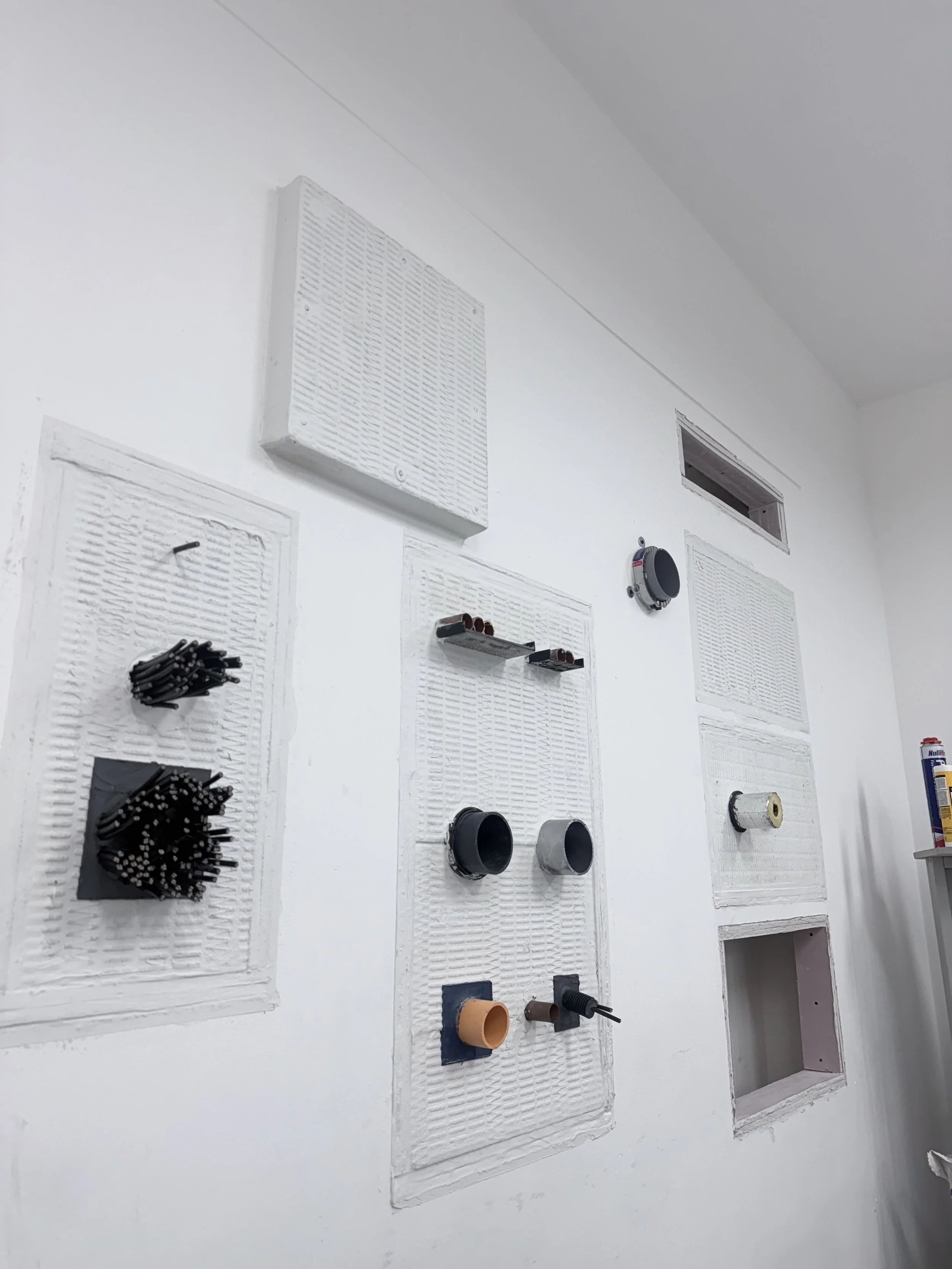
Sealing service penetrations through fire-rated walls and floors using tested systems to maintain compartmentation.
Fire-Rated Mastics & Sealants
Application of tested fire-resistant sealants to joints, gaps and service penetrations in accordance with manufacturers' specifications.
Fire Batt & Compound Systems
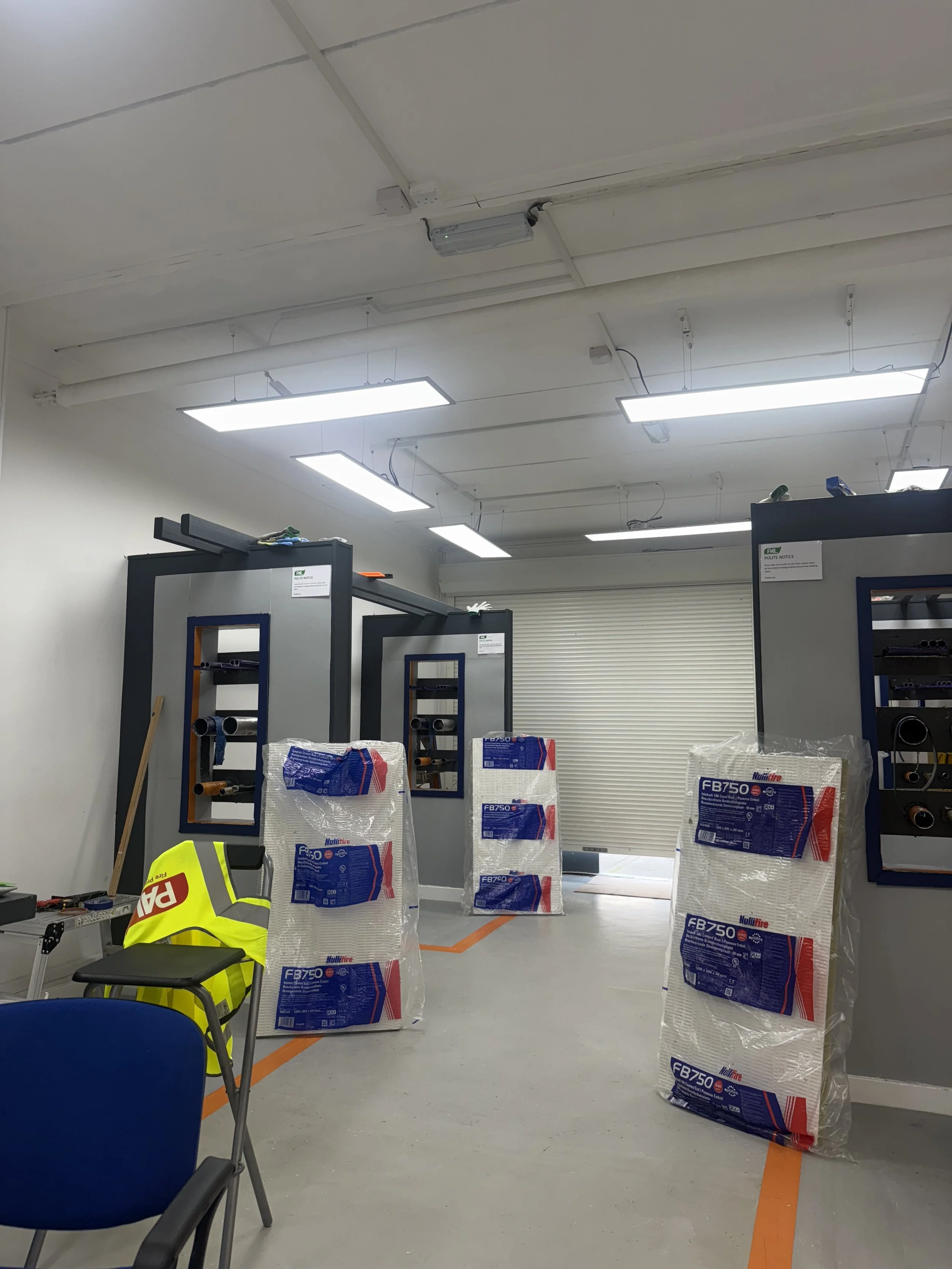
Installation of fire batt, ablative coating and fire-resistant compounds around mechanical and electrical services.
Linear Joint Seals
Fire-resistant movement joints and linear gap sealing systems designed to maintain fire and smoke compartmentation.
Fire Collars & Wraps
Certified fire collars and wraps installed around combustible pipe penetrations to reinstate the fire resistance of compartment walls and floors.
Compartmentation Remediation
Inspection, repair and reinstatement of defective fire stopping to restore the integrity of fire compartments within existing buildings.
Accountability and traceability throughout every project
Our approach is built around quality, compliance and clear communication, ensuring every project is delivered safely, efficiently and in line with current Building Safety requirements.
From planning through to completion, we follow structured quality assurance procedures, with inspections, photographic records and documented sign-off integrated throughout the installation process. This provides our clients with confidence that works have been completed correctly and are fully traceable.
We take a coordinated approach to every project, ensuring passive fire protection measures are installed correctly and work together to maintain the integrity of the building's fire compartmentation strategy. Whether working on new-build, refurbishment or occupied buildings, we carefully plan our works to minimise disruption while maintaining the highest standards of workmanship, safety and accountability.
Recent Project
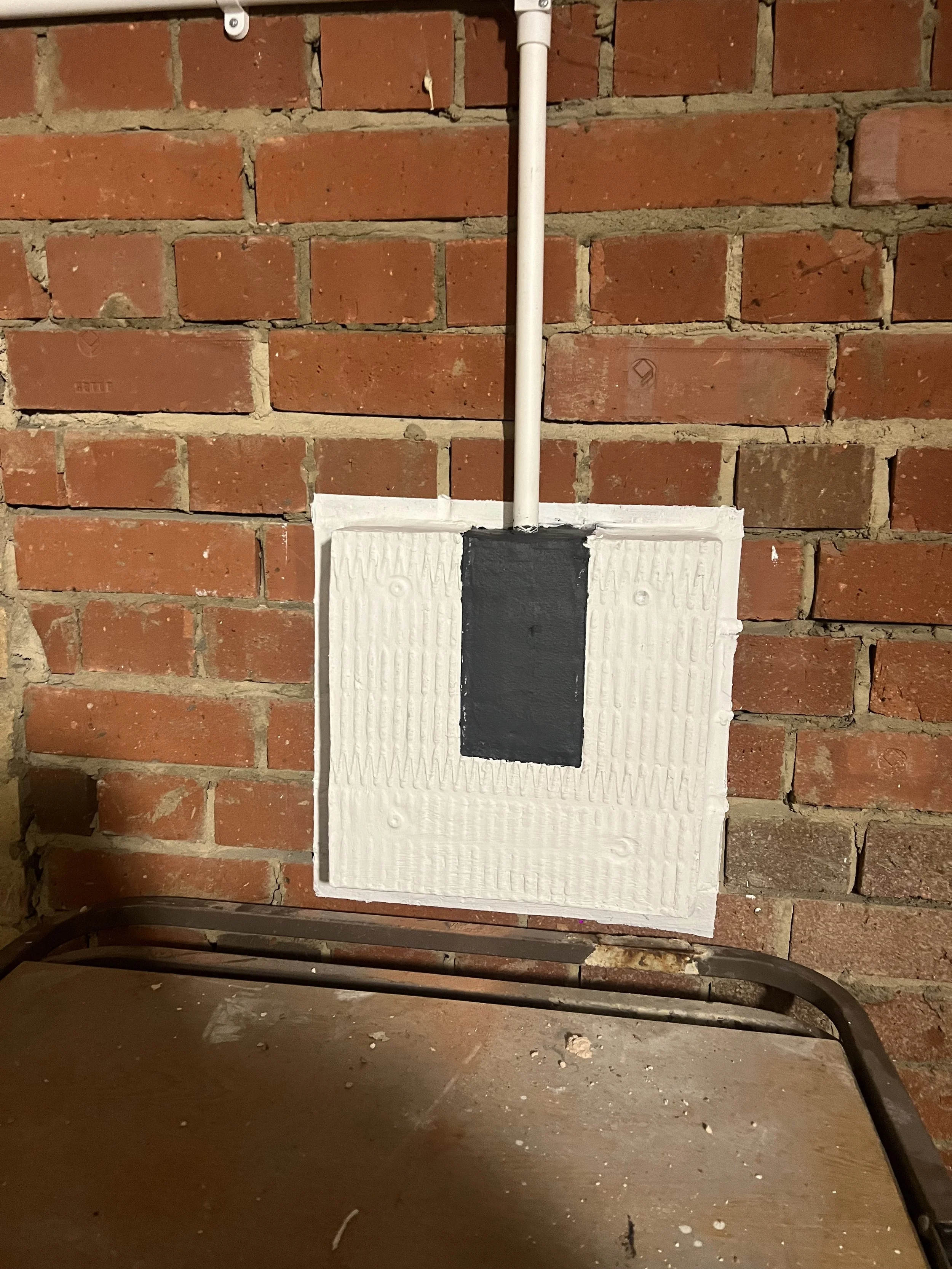
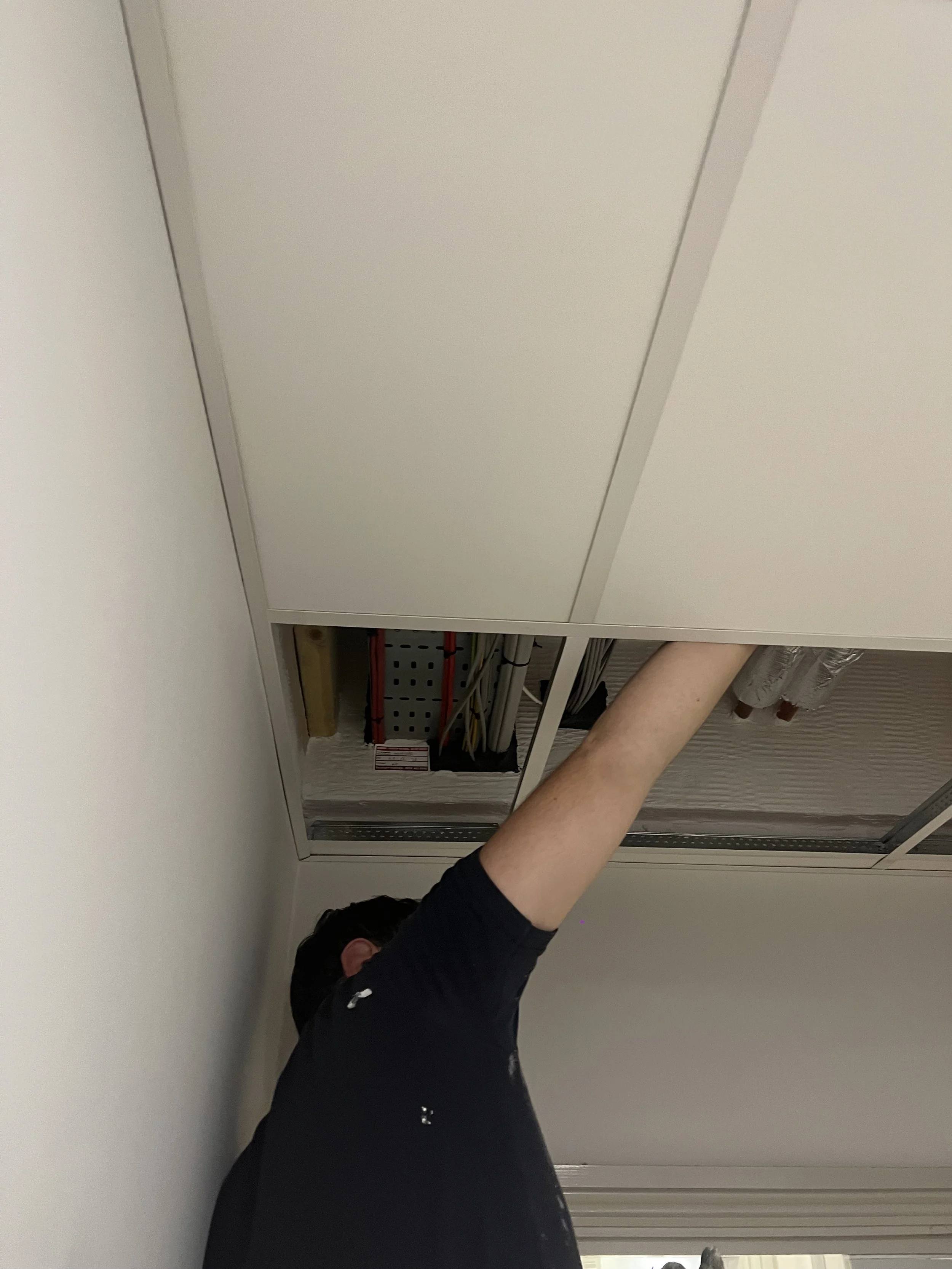
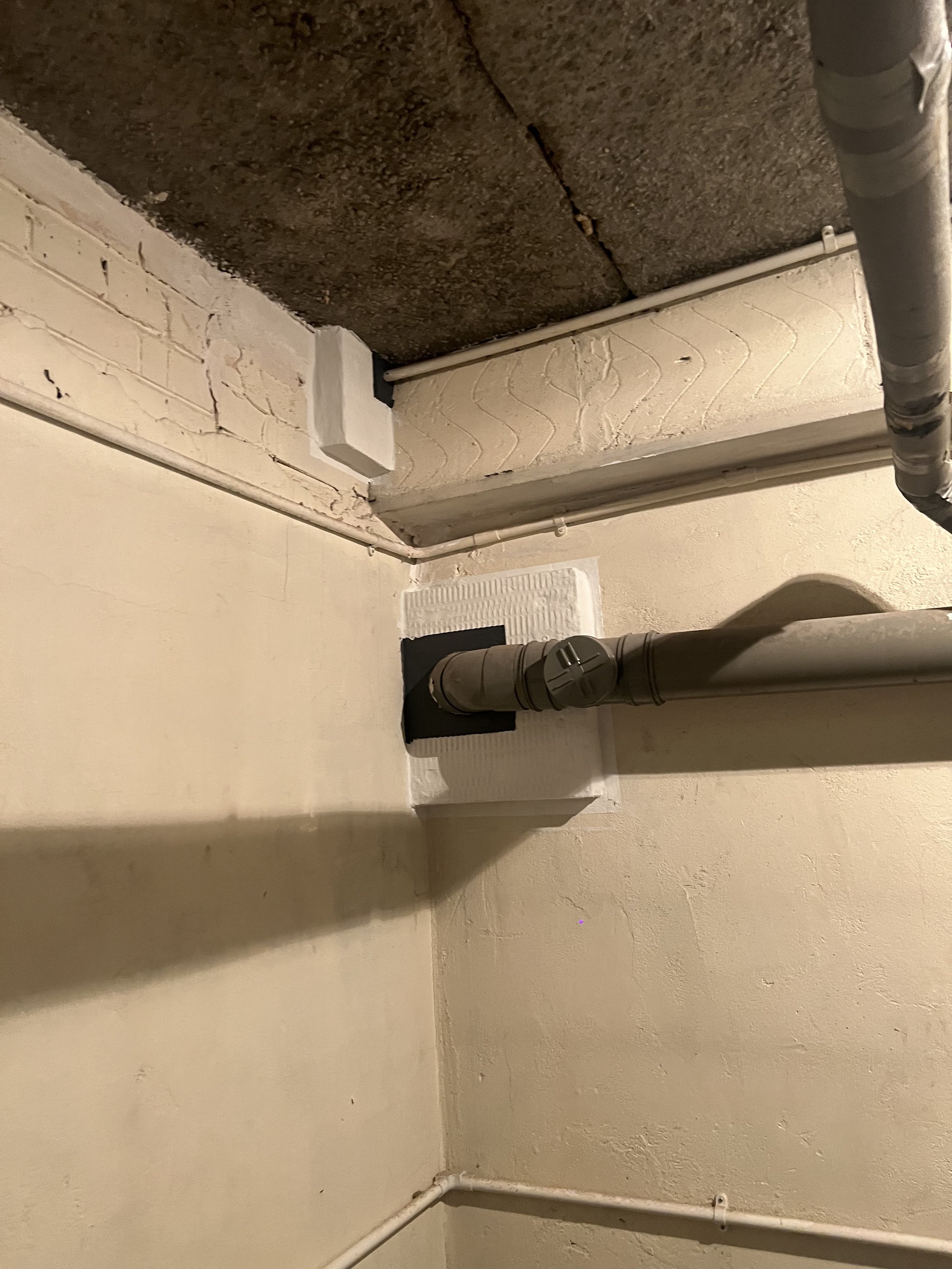
RMG Construction has delivered passive fire protection works across multiple care homes in London, completing fire stopping installations to help maintain the integrity of fire compartmentation throughout each building.
Our works included sealing service penetrations using tested fire stopping systems, ensuring every installation was completed in accordance with the project specification and manufacturer guidance. Throughout each project, we maintained a strong focus on quality, compliance and attention to detail.
Working within care home environments requires careful planning and a professional approach to minimise disruption while maintaining the highest standards of workmanship. Our experience within occupied healthcare settings reflects our commitment to delivering reliable passive fire protection solutions that support the long-term safety of each building.
The Role of Fire Stopping in Fire Compartmentation
Fire stopping is a fundamental part of a building's fire compartmentation strategy.
Fire compartmentation divides a building into a series of fire-resistant compartments using walls, floors, ceilings, fire doors and cavity barriers. These compartments are designed to contain fire and smoke for a specified period—typically 30, 60, 90 or 120 minutes—helping to protect escape routes, limit damage and provide valuable time for occupants to evacuate safely and for the Fire and Rescue Service to respond.
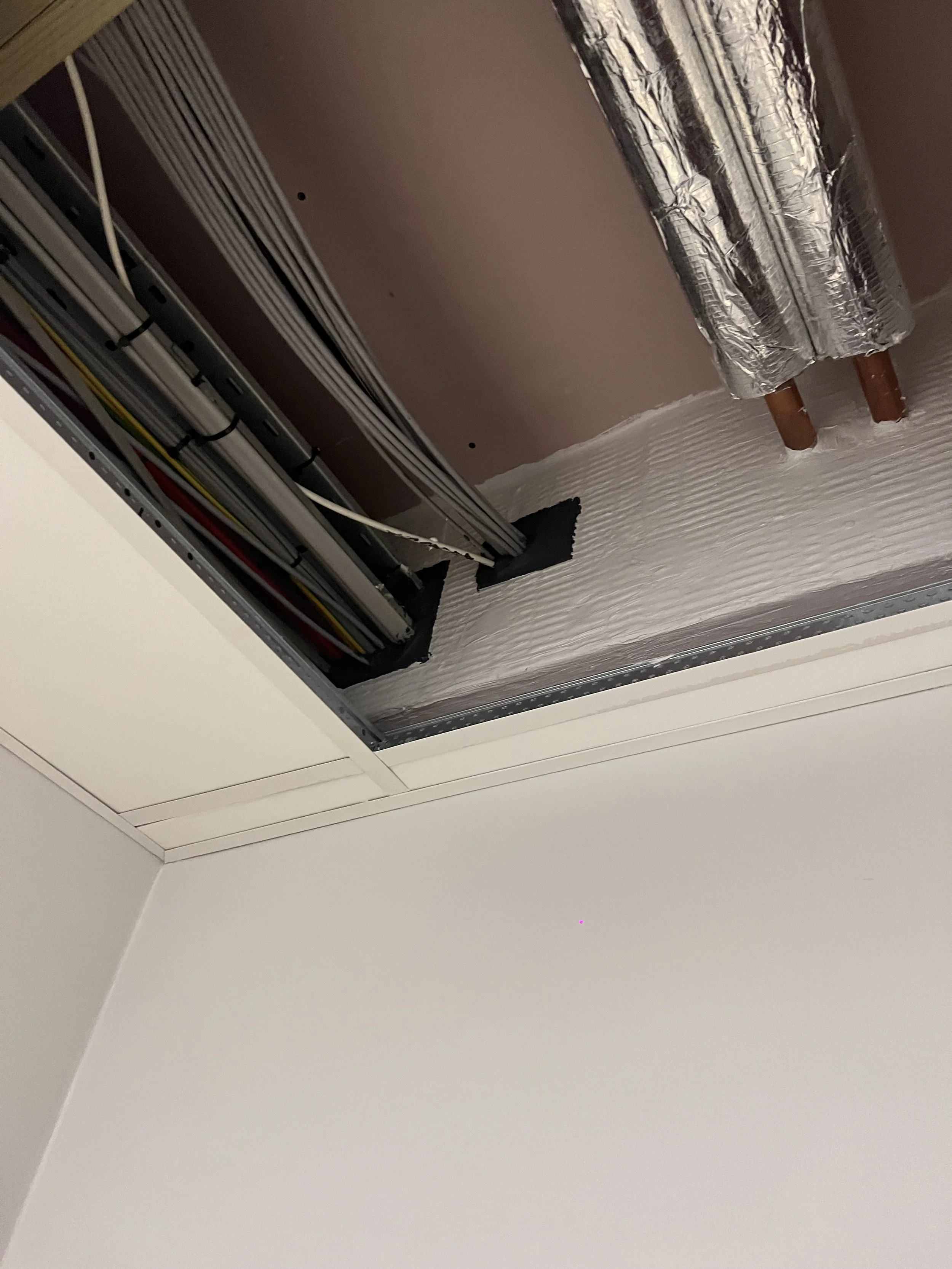
Fire stopping maintains the integrity of those fire compartments. Wherever pipes, cables, ducts or other building services pass through a fire-rated wall or floor, the opening must be sealed using appropriately tested fire stopping systems. Without this protection, fire and smoke can spread through these penetrations, compromising the performance of the compartment.
When people think about a building fire, they often picture flames spreading rapidly from one room to another. In reality, smoke is frequently the greater danger. Smoke and toxic gases can travel quickly through ceiling voids, service risers, ventilation systems and concealed cavities, often reaching other areas of a building long before flames.
Effective fire stopping helps ensure fire compartmentation performs as intended, slowing the spread of fire and smoke and maintaining the building's overall fire strategy.
Common Fire Stopping Defects
In many cases, passive fire protection systems do not fail because they have been designed incorrectly. Instead, they become compromised during construction, refurbishment or later alterations.
For example, a fire-rated wall may be installed correctly before new electrical, plumbing or mechanical services are introduced. If those penetrations are not sealed using appropriately tested fire stopping systems, the wall may no longer achieve its intended fire resistance.
Common defects include:
Unsealed service penetrations
Missing fire collars around plastic pipework
Gaps above fire-rated partition walls
Damaged or missing cavity barriers
Incorrect or incompatible fire stopping products
Although these issues may appear minor, they can significantly reduce the effectiveness of a building's overall fire strategy.
This is why effective fire stopping is about far more than applying sealants or installing individual products. It requires correctly specified systems, competent installation and careful coordination between all trades to maintain the integrity of a building's fire compartments.
Continued Training & Development
At RMG Construction, we are committed to maintaining the highest standards of competency within passive fire protection. Alongside recognised qualifications, we continue to invest in professional development to ensure our knowledge and installation practices remain aligned with current legislation, tested systems and industry best practice.
As part of this commitment, our team has completed additional specialist training through the Passive Fire Protection Centre of Excellence (PFP CoE), further strengthening our understanding of compliant fire stopping installations, system performance and quality assurance.
By continually developing our knowledge and skills, we deliver passive fire protection works with confidence, consistency and a strong focus on compliance